Hampton
was able to repulse seven Union cavalry attacks and inflict nearly
twice as many casualties as he sustained. Hampton never lost a cavalry
battle after that point.
Wade Hampton III was born into a life of heritage and privilege. His
grandfather fought in the Revolutionary War, was a member of the House
of Representatives, and became a general in the War of 1812. His father
also served as an officer in the War of 1812, and was an aide to future
President Andrew Jackson during the Battle of New Orleans.
Both sides of his family were immensely wealthy, and his family owned
thousands of slaves to work their many plantations. Wade seemed
destined for an easy life. His father assigned him plantations to
manage, and he entered politics in his mid 30s.
However, after spending the better part of a decade in the state
legislature, the entire course of his life changed. South Carolina
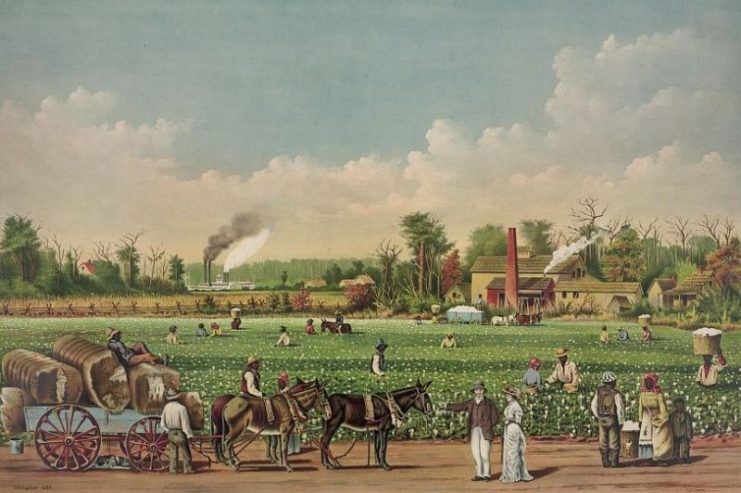
seceded from the Union and Hampton had a choice to make. A cotton plantation on the Mississippi, 1884 lithograph
Hampton Forms His Legion
Although Hampton had originally opposed secession in the South
Carolina legislature, he decided to back his state’s decision. He
resigned his seat in the legislature and enlisted as a private to fight
for Dixie.
However, the Governor felt that he deserved an officer’s commission,
and convinced him to accept the rank of Colonel. Although it was unusual
for a man with no military education or experience to immediately
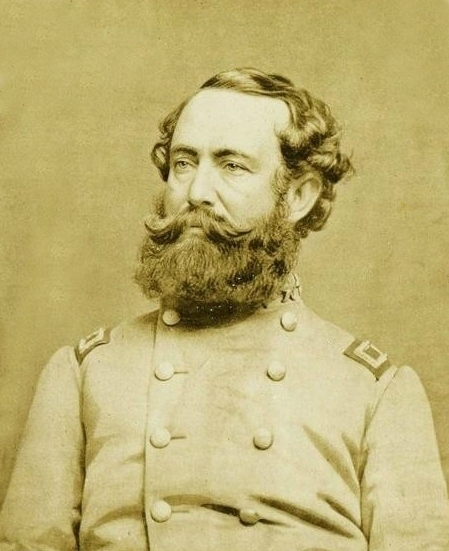
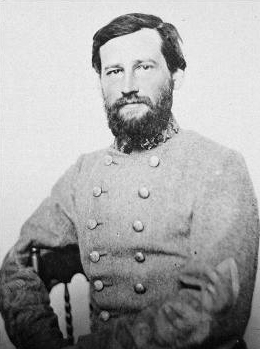
become an officer, there were several reasons for this decision. Wade Hampton III during the Civil War
First off, the political class of South Carolina did not want one of
their own to be seen as a lowly private. Second, as a plantation owner
and legislator, he had some leadership experience. Finally, the South
desperately needed money for weapons and payments to soldiers, and
Hampton had the ability to fund his own legion.
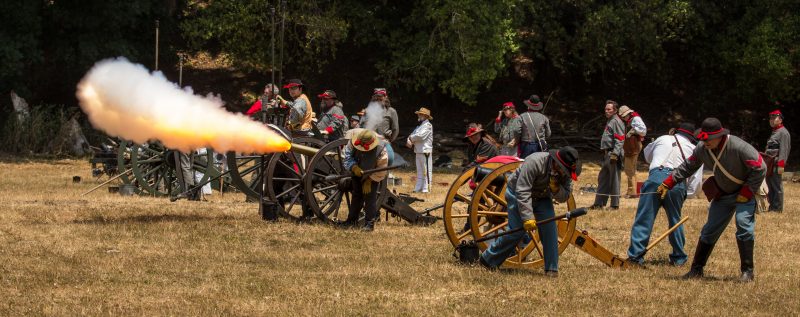
Hampton was happy to live up to this expectation, and financed six
companies of infantry, four companies of cavalry, and an artillery
battery. Wade Hampton and other leading South Carolinians inspecting the interiors of Fort Sumter, April 10, 1861
A Legendary Legion
Hampton’s Legion played a significant role from the very start of the
war. At the First Battle of Manassas (Bull Run) it was actually
Hampton’s men who held the line before Thomas “Stonewall” Jackson
arrived to make his famous stand. If not for Hampton’s Legion, Stonewall
Jackson might not have had a chance to turn the tide of the battle.
Unfortunately for Hampton, his role is often overlooked.
He was also wounded in the battle when a bullet grazed his forehead
while he led a charge. As more of Hampton’s officers went down, command
fell to a young captain named Martin Gary, who went on to become a
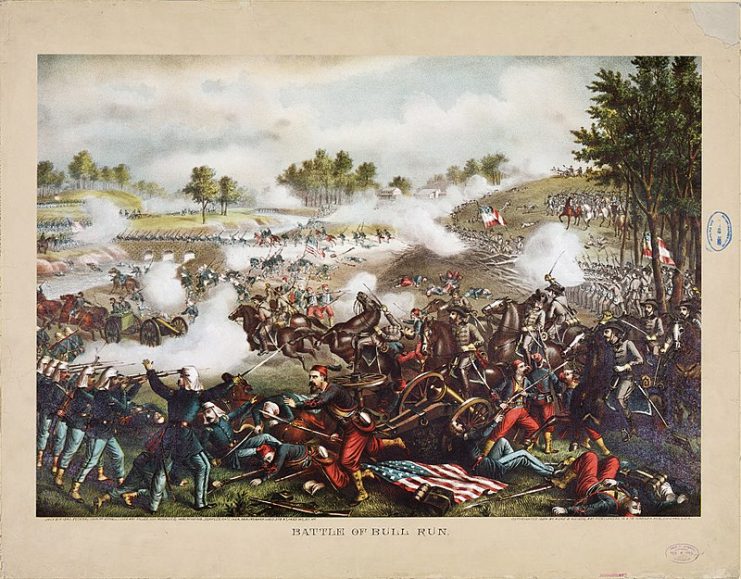
brigadier general by the war’s end. First Battle of Bull Run, chromolithograph by Kurz & Allison
Hampton continued to distinguish himself throughout the war, although
his Legion was often divided instead of fighting together as planned.
(From this point on “the Legion” does not necessarily refer to the
entire Legion, but rather elements present at certain battles).
For example, Hampton’s cavalry was separated from the rest of the
Legion to create the 2nd South Carolina cavalry, which fought in most of
the major battles in the East, while his infantry were sent West for
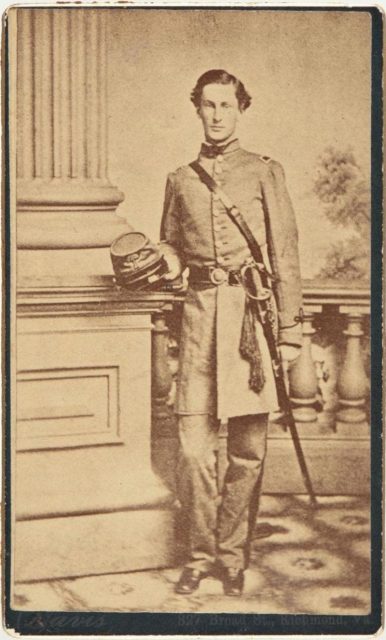
part of the war. Thomas Muldrup Logan, as Captain of Hampton Legion
Elements of the Legion took serious casualties in the Peninsula and
Maryland campaigns, although they performed well. The Legion would once
again play a pivotal role at the Second Battle of Manassas when it
pushed Union forces off of Chinn Ridge, largely destroying the 5th New
York Regiment in the process.
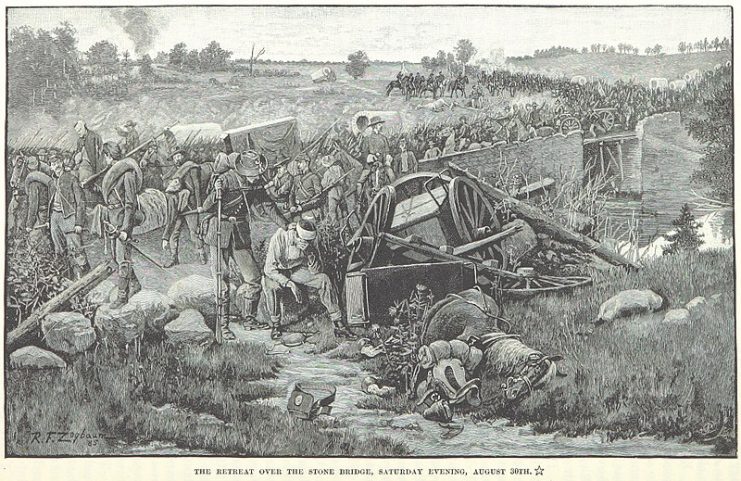
After taking serious losses at Sharpsburg (Antietam) the infantry companies of the Legion spent time recovering in Richmond. Union troops retreat after the Second Battle of Bull Run.
While the Legion’s infantry went West to assist in the Tennessee
campaign, Hampton’s cavalry and artillery were with Lee’s army. Jeb
Stuart selected Hampton, now a brigadier general, and his cavalry to
come with him during his controversial raid before the Battle of
Gettysburg. Due to this raiding, Stuart and Hampton did not arrive to
the battle until late on July 2nd.
However, Hampton still fought boldly. Throughout the battle he
sustained three wounds: twice from a saber, and once by artillery
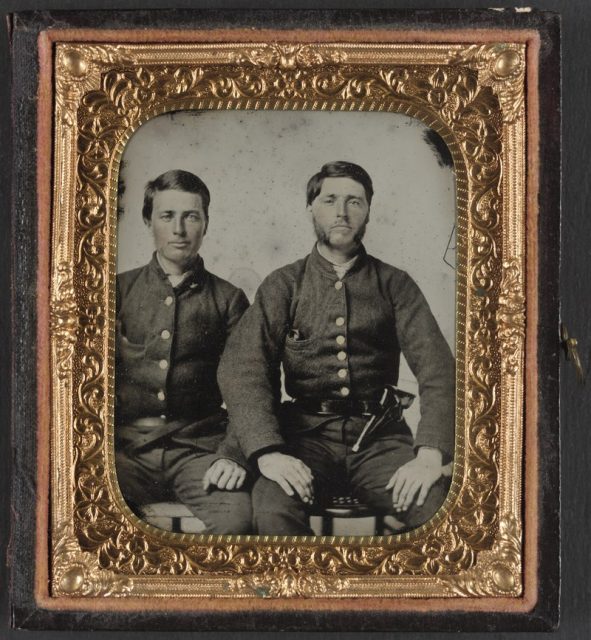
shrapnel. Brothers
Private Stephen D. and Private Moses M. Boynton of Co. C, Beaufort
District Troop, Hampton Legion South Carolina Cavalry Battalion, with
pistol
While Hampton was recovering, the Legion’s infantry took part in the
Battle of Chickamauga and the Chattanooga campaign. When he recovered
later in the war, he was placed in charge of a cavalry division, and
continued to fight alongside Jeb Stuart. After Stuart was killed during
the Battle of Yellow Tavern, Hampton took charge of the Cavalry Corps of
the Army of Northern Virginia.
Hampton fought in a few inconclusive cavalry battles as Lee retreated
towards Richmond. However, he soon found himself thrown into the
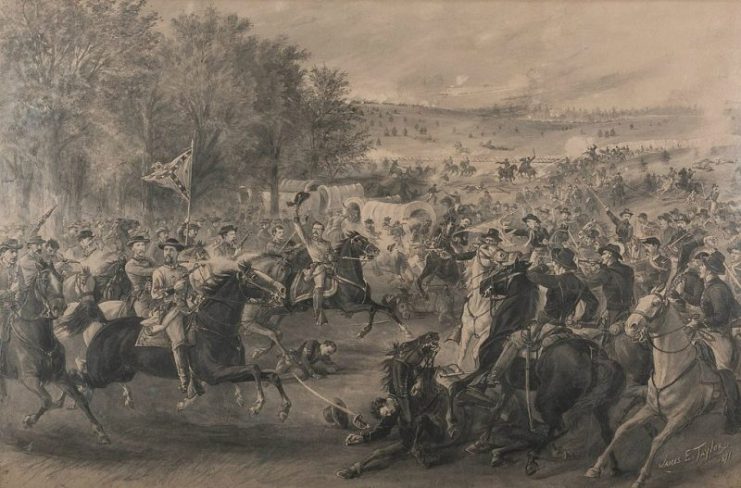
greatest cavalry battle of the entire war—Trevilian Station. Despite
being outnumbered, Hampton was able to repulse seven Union cavalry
attacks and inflict nearly twice as many casualties as he sustained.
Hampton never lost a cavalry battle after that point. Charge of the Confederate cavalry at Trevilian Station, Virginia, by James E. Taylor, 1891.
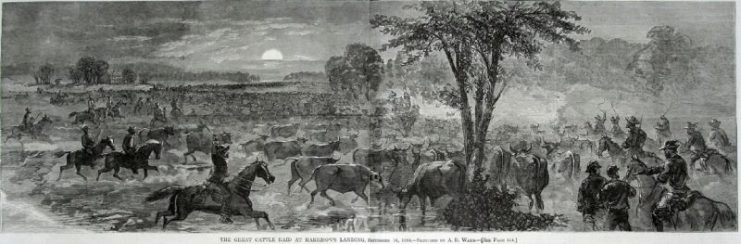
One of Hampton’s later actions was the “Beefsteak Raid” behind Union
lines. As the Southerners were running low on food at Petersburg,
General Hampton decided to take some from the Yankees.
He learned of lightly defended cattle behind Union lines, and brought
3,000 of his men, including some reported cattle thieves from Texas,
for a raid on them. He ultimately captured over 2,600 cattle and 300
Union prisoners. Abraham Lincoln himself called it “the slickest piece
of cattle-stealing” he had ever heard of. The
Great Cattle Raid at Harrison’s Landing. The Beefsteak Raid was a
Confederate cavalry raid that took place in September 1864 as part of
the Siege of Petersburg during the American Civil War.
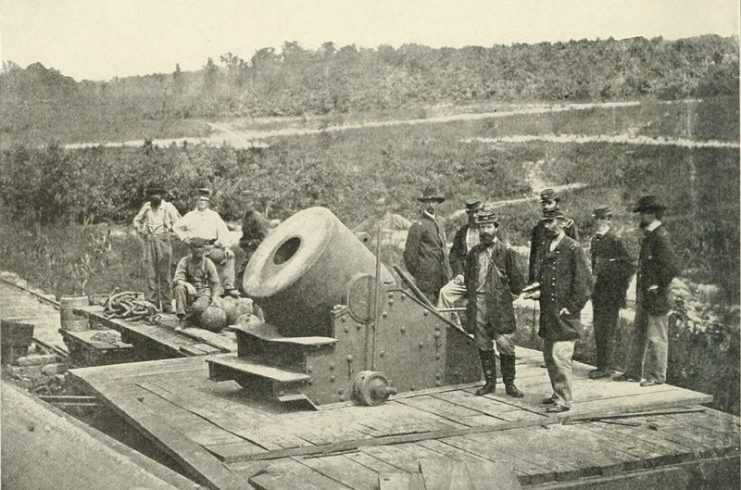
Hampton’s men would also take part in the Siege of Petersburg at
various points during that nine month long ordeal. One of his sons,
serving under his command, was killed during the battle, and another
wounded. The “Dictator” siege mortar at Petersburg
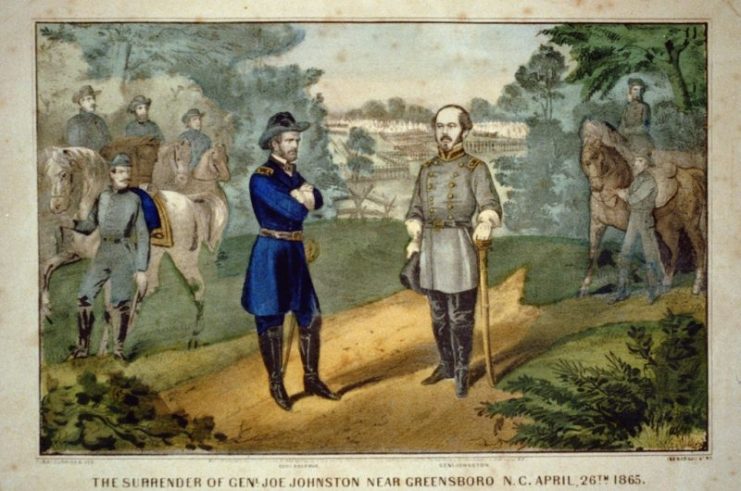
In 1865, Lee allowed the South Carolina men to return home to defend
against the Union advance in their own state. Hampton surrendered along
with Joseph Johnston in North Carolina on April 26, 1865.
By the end of the war, Hampton had been wounded five times, and his legion had become legendary. The surrender of Genl. Joe Johnston near Greensboro N.C., April 26th 1865.
Hampton’s Inspiration
One of the most overlooked aspects of Hampton’s leadership is the
incredible number of his subordinates who went on to became successful
Confederate leaders. When historians talk about how Confederate
leadership was superior to Union leadership, these are many of the men
they talk about.
Alumni of Hampton’s Legion include Generals Stephen D. Lee, Martin W.
Gary, Matthew C. Butler, James Conner, James Pettigrew, and Thomas M.
Logan. Together, these generals served in every major battle of the war.
Stephen Lee went on to obtain the rank of lieutenant general, the
highest Confederate rank for most of the war. Stephen D. Lee, the youngest Confederate Lt. General, NPS
Not only is Wade overshadowed by Robert E. Lee, Stonewall Jackson,
and to some degree several other generals, but many of his successful
subordinates are as well. In many ways, Wade stands out as a Confederate
leader as much due to the successes of his subordinates as his own
military achievements.
Postbellum—Reformation or Lost Cause?
When Hampton returned to his plantations in South Carolina after the
war, he found them burned. Of course, his slaves had also been freed.
With his fortune lost, Hampton fell back on his old political
connections. However, he did not fully reignite his career immediately.
Although his supporters practically drafted him to run for governor
in 1865, he recognized that the United States would not take kindly to a
Confederate general becoming a governor, and actively campaigned
against himself. He successfully lost by about 3% of the vote. However,
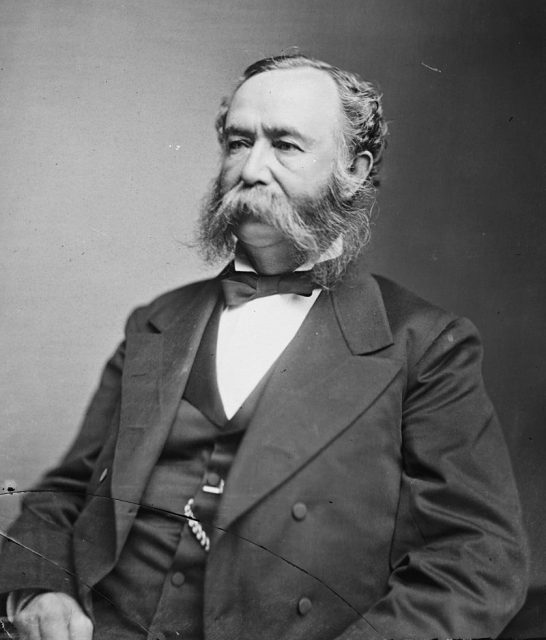
he decided to run in 1876. Hampton, Hon. Wade, Senator from S.C. (General in Confederate Army)
One of the great controversies of Wade Hampton’s life centers around
his political career after the war. Some historians defend him as
relatively progressive for his time, for he was against
disenfranchisement of blacks, and open to Reconstruction.
His opponents point out that his supporters often engaged in violence
to keep blacks from voting, despite Hampton’s denunciation of these
tactics. In fact, the Red Shirts, a paramilitary white supremacist
group, engaged in voter suppression and violence to support his
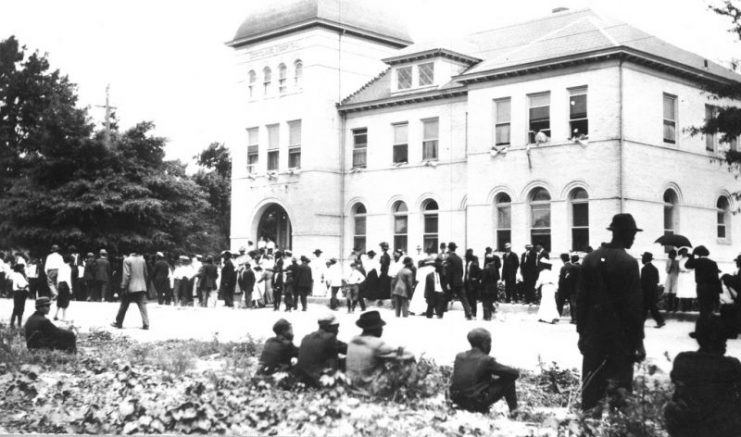
campaign. End of Red Shirts’ “White Man’s Rally.” Nov. 1, 1898.
South Carolina gave its electoral votes to Rutherford B. Hayes in the
deeply controversial Presidential election of 1876 in exchange for
Hayes declaring that Wade won his own deeply controversial election for
governor. This deal also ended Reconstruction in South Carolina.
Fraud and violence aside, Hampton became the first
post-Reconstruction governor of South Carolina. Although he did not
openly support disenfranchising freedmen, he was partially motivated by
fear that the federal government would intervene if freedmen were not
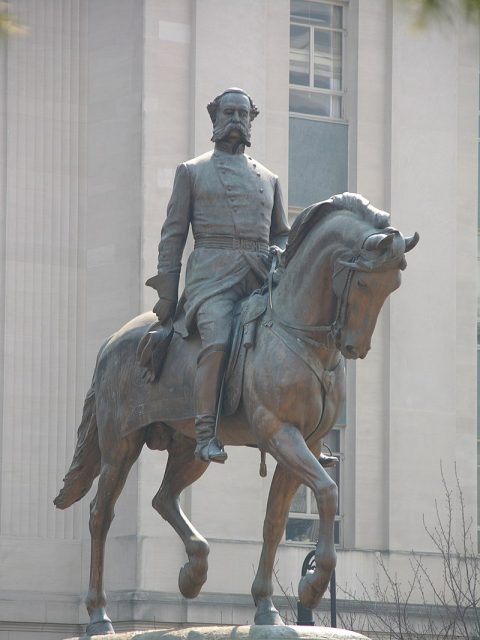
allowed to vote. Wade Hampton statue on the South Carolina Statehouse lawn, by Frederick Ruckstull
Hampton had support from some freedmen, and even reached out to them
to win their votes. However, he ran against Daniel Chamberlain, who led
black Union troops during the war. He also helped raise money to legally
defend some of the violent groups that supported him, although he did
not join any such groups.
Ultimately General Wade Hampton had a profound, and often overlooked,
role in the Civil War. In particular, he helped launch the careers of
many other successful generals. However, his legacy is severely clouded
by the end of Reconstruction under his governorship, the voter
suppression and fraud surrounding his election, and his sympathy for the
Lost Cause ideology.


 Hampton was happy to live up to this expectation, and financed six
companies of infantry, four companies of cavalry, and an artillery
battery.
Hampton was happy to live up to this expectation, and financed six
companies of infantry, four companies of cavalry, and an artillery
battery.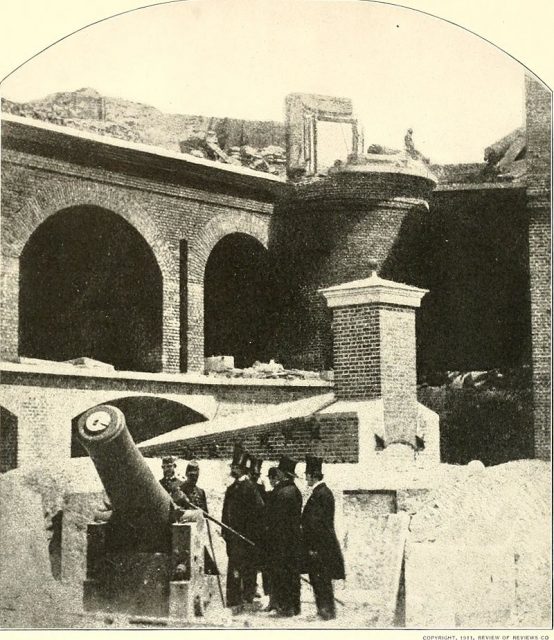


No comments:
Post a Comment